


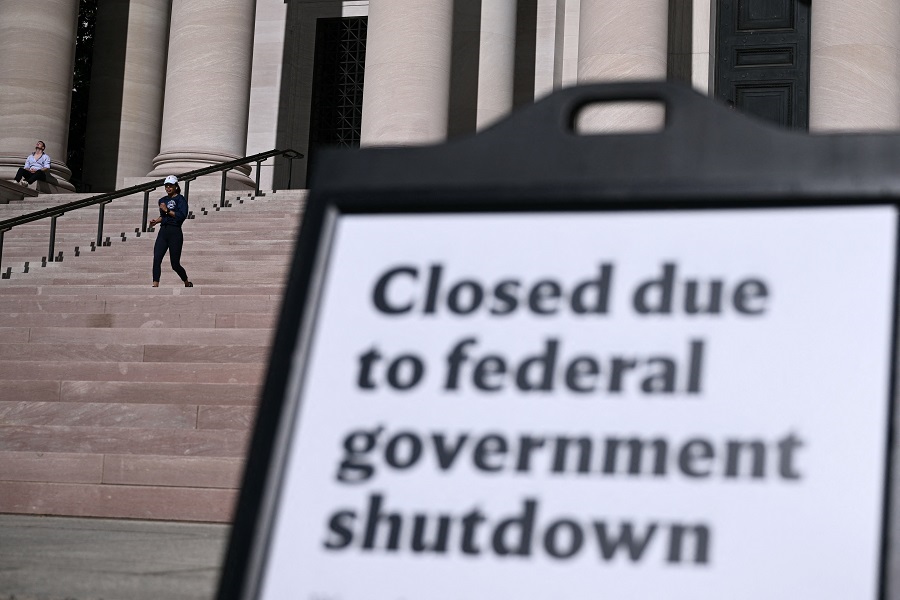
The question of whether the U.S. government is still shut down has become a topic of concern for citizens and officials alike. Government shutdowns occur when Congress fails to pass appropriations bills to fund government operations, leading to the temporary suspension of non-essential services. In times of shutdown, federal agencies halt their operations, affecting everything from national parks to government employees’ paychecks.
The U.S. government shutdowns have been a recurring event in American history, usually stemming from political disagreements in Congress. While some services may continue, a large number of government functions are directly impacted. This creates widespread uncertainty and disruption, particularly for federal employees, contractors, and individuals relying on government services. The question “Is the U.S. government still shut down?” often reflects public concern about the effects on everyday life, federal services, and even international relations.
Why Does the U.S. Government Shut Down?
Government shutdowns in the United States occur when Congress fails to pass appropriations bills necessary to fund government operations. This often happens when lawmakers cannot agree on the budget or certain provisions. A shutdown forces non-essential government services to cease, with federal employees either being furloughed or working without pay.
The underlying reason for government shutdowns is political gridlock, particularly in times of divided government, when the presidency and Congress are controlled by opposing parties. Budget disputes can arise over various issues, including defense spending, social programs, and tax policies. While the shutdown itself might be a temporary disruption, it reflects deeper divisions within the political system, making it a complex and often contentious issue.
Historically, government shutdowns have been used as a political tool, with both parties leveraging the situation to push their agendas. However, the consequences for federal workers, services, and citizens are far-reaching, often making the process a last resort when compromise fails.
When Was the Last U.S. Government Shutdown and What Happened?
Recent Shutdown in 2018-2019
The most recent U.S. government shutdown occurred from December 22, 2018, to January 25, 2019. It became the longest shutdown in U.S. history, lasting 35 days. The shutdown was primarily due to a dispute over funding for President Trump’s border wall. With no agreement on funding, approximately 800,000 federal employees were affected, with many forced to work without pay or furloughed.
Effects on Federal Workers and Services
The shutdown impacted essential services, such as air traffic control, federal law enforcement, and food inspections. National parks were closed, and passport services were delayed. Additionally, federal employees faced financial hardship due to the suspension of their paychecks.
The Shutdown’s Resolution
The shutdown ended when Congress passed a short-term spending bill, providing temporary funding for the government while negotiations continued. This compromise allowed federal employees to return to work and government services to resume.
How Does a Government Shutdown Impact the Economy?
A U.S. government shutdown can have far-reaching consequences for the national economy. While the immediate effects include the suspension of government services and the furloughing of workers, the longer-term impacts are more significant:
- Reduced Consumer Spending: Furloughed federal workers often reduce their spending, impacting local businesses and consumer confidence.
- Disrupted Government Contracts: Contractors working with the federal government may experience delays in payments, leading to cash flow problems and project delays.
- Stock Market Volatility: Investors may react negatively to a shutdown, with uncertainties affecting stock prices and market stability.
The cost of a government shutdown is high, both in direct financial terms and in terms of the damage it causes to public trust in government. Economic recovery from a shutdown can be slow, and businesses often face financial uncertainty.
What Services Are Affected During a Government Shutdown?
During a government shutdown, a broad range of services are disrupted, especially those considered non-essential. National parks and museums typically close their doors to the public, which not only impacts tourism but also limits access to valuable educational resources. Federal employees are often furloughed, which leads to a loss of income for those dependent on government paychecks. Although Social Security and veterans’ benefits usually continue, administrative functions tied to these services can be delayed, affecting timely assistance. Health and safety inspections, such as those for food safety and environmental regulations, may also be postponed, potentially endangering public health and safety.
While certain services, like essential law enforcement and emergency operations, continue, the shutdown undermines the government’s overall ability to function efficiently. This disruption creates widespread frustration among citizens, employees, and those who rely on government services, highlighting the far-reaching consequences of a government shutdown on everyday life.
How Can the U.S. Prevent Future Government Shutdowns?
To prevent future government shutdowns, comprehensive reforms in the budgeting process are needed. Several potential solutions include:
- Automated Funding: Implementing automatic continuing resolutions to ensure government funding continues without interruption, even if Congress cannot agree on the budget.
- Bipartisan Agreement: Encouraging more bipartisan cooperation to ensure that critical issues, such as government funding, do not become politically charged.
- Budget Reform: Revising how budgets are created and negotiated, with greater transparency and public input, to reduce partisan gridlock.
Efforts to reform the process are ongoing, but there is no simple solution to preventing future shutdowns. Political polarization and strategic bargaining often lead to budgetary stalemates. However, continued dialogue and legislative action could minimize the frequency and impact of these shutdowns.
Conclusion
The U.S. government shutdowns are a significant issue with far-reaching consequences for federal employees, services, and the economy. While the government has occasionally shut down in the past due to political disagreements, the implications are real for millions of Americans and their daily lives. Moving forward, addressing the root causes of shutdowns and implementing reforms could ensure a smoother, more efficient process for maintaining government operations and services.
FAQs
What is a government shutdown?
A government shutdown occurs when Congress fails to pass appropriations bills, leading to the suspension of non-essential government services and the furlough of federal employees.
How often do government shutdowns happen?
Government shutdowns are relatively rare, but they have occurred multiple times in U.S. history, often due to disagreements over government spending and budget priorities.
How does a shutdown affect federal workers?
Federal workers are either furloughed or required to work without pay during a shutdown, which can cause financial hardship and disrupt their daily lives.
How does a government shutdown impact the economy?
A shutdown can reduce consumer spending, disrupt government contracts, and lead to stock market volatility, all of which negatively affect the economy.
Can a government shutdown be avoided in the future?
While it is challenging to prevent future shutdowns, reforms such as automated funding, bipartisan cooperation, and budget process changes could help reduce their occurrence.
