


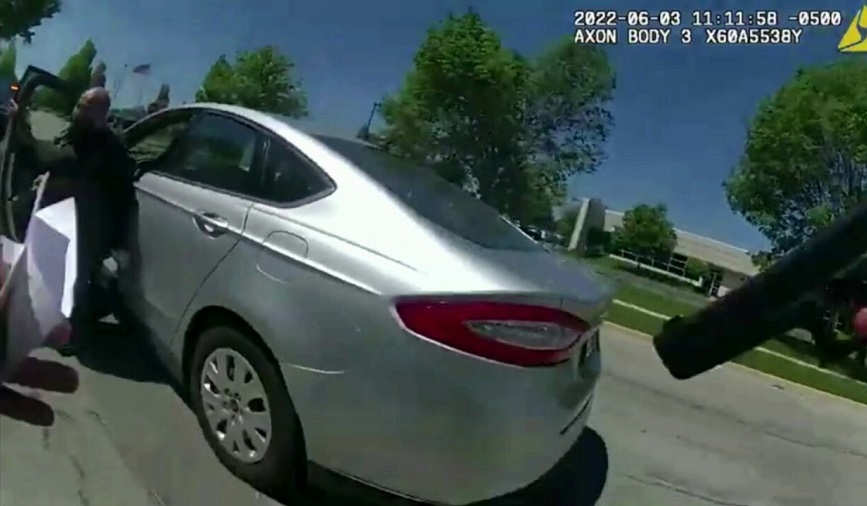
On a quiet evening in Naperville, a shocking event unfolded when local police encountered a suspect wielding a hatchet. The incident quickly escalated, leading to the police shooting the individual, which has ignited widespread debate. Many are questioning the appropriateness of the officers’ response to the perceived threat. This article will delve into the details of the Naperville police shooting hatchet incident, exploring the legal, social, and community implications. The aftermath continues to stir conversation, raising concerns about police conduct, use of force, and the balance between protecting public safety and ensuring accountability. With the investigation still ongoing, multiple perspectives are emerging regarding the officers’ actions and their long-term impact on the relationship between law enforcement and the community.
Details of the Police Shooting Hatchet Incident in Naperville
The incident occurred on an otherwise quiet evening, quickly escalating into a tense and critical situation. Officers were dispatched in response to reports of a suspicious individual, believed to be armed. Upon arrival, they encountered a suspect holding a hatchet. As tensions mounted, the individual allegedly made threatening gestures, prompting officers to act in what they perceived as a life-threatening situation. The suspect was subsequently shot during the confrontation, raising questions about the officers’ decision-making.
Public reactions have been divided, some argue that the officers acted out of immediate self-defense, while others express concern over the use of deadly force. Local community leaders and residents are calling for a thorough investigation into the incident to ensure accountability and transparency. The event has sparked a wider conversation about police handling of non-traditional weapons, such as hatchets, and how law enforcement should respond to potential threats. As the investigation progresses, this incident continues to fuel debates about the balance between public safety and police accountability.
What Led to the Police Confrontation?
The Naperville police confrontation was triggered by 911 calls reporting a suspicious individual with a potential weapon, escalating rapidly.
The Role of 911 Calls:
- The emergency calls were essential in alerting officers to the situation.
- Dispatchers provided reports on the suspect’s behavior, including mentions of a possible weapon.
- Despite these reports, the officers had limited information regarding the level of threat posed by the individual, leaving them with uncertainty as they approached the scene.
Police Approach:
- The method by which the officers approached the suspect was a pivotal moment in the unfolding incident.
- With high tensions, officers had to act swiftly, making decisions in real-time based on available information.
- There are questions about whether the officers had enough facts to make an informed, decisive choice in such a high-pressure situation.
The Threat Perception:
- Was the suspect’s behavior perceived as sufficiently threatening to justify the use of deadly force?
- How did the officers interpret the presence of the hatchet in the suspect’s hand? Did they view it as an immediate danger to themselves or others?
Understanding the Legal Implications of Police Use of Force
The legal implications of the Naperville police shooting hatchet incident is essential to evaluating the officers’ actions. Deadly force is typically legally justified if an officer perceives an immediate threat to their life or the lives of others. In this case, the officers would have been trained to assess the situation quickly and respond according to the perceived level of danger. The ongoing investigation will determine if the decision to use lethal force was legally warranted based on the circumstances and the officers’ perceptions at the time.
One critical aspect of the investigation is whether the officers had reasonable grounds to fear for their lives, given the suspect’s behavior. The possibility of non-lethal interventions, such as using tasers or attempting verbal de-escalation, will also be examined to understand whether those methods were viable alternatives in this situation. Additionally, the broader legal framework surrounding police conduct will be considered, particularly regarding whether the officers’ actions were in line with established protocols and laws on the use of force.
Public Reaction and Community Impact
The public’s reaction to the incident has been divided, with some supporting the police actions as necessary for self-defense, while others demand greater accountability and transparency.
Social Media Reactions:
- Social media platforms, including Facebook and Twitter, were flooded with reactions from local and non-local communities.
- Public forums sparked heated debates about the appropriateness of the police response, with conflicting opinions on the use of force.
Local Leadership’s Response:
- Local politicians and community leaders have publicly called for a thorough investigation into the incident.
- Trust in law enforcement agencies has been questioned, with many expressing concerns over how the situation was handled.
Press Coverage:
- The incident has received significant media attention, with coverage that varies in perspective.
- Some reports emphasize the mistakes made by the officers, while others focus on the challenges and dangers law enforcement faces during high-pressure encounters, adding complexity to the public’s understanding of the event.
What Happens Next? The Investigation and Reforms
The investigation into the incident is ongoing, with several steps to follow. The police department’s internal review will focus on whether the officers adhered to established protocols during the confrontation. A key element of the investigation will be the role of body camera footage and other evidence, which could provide critical insights into the officers’ actions and decision-making. Additionally, community feedback will likely play a significant role in shaping future police policies and procedures, especially as trust in law enforcement is being questioned by many.
As the investigation progresses, calls for police reforms are gaining momentum. Many community leaders and residents are advocating for more stringent guidelines on the use of force, particularly when dealing with non-traditional threats like the hatchet involved in this case. Enhanced training for officers on how to handle such situations, along with better de-escalation tactics, may become part of the discussion moving forward. These reforms aim to balance public safety while ensuring greater accountability within law enforcement agencies.
Conclusion
The Naperville police shooting hatchet incident has captured the attention of many, shedding light on critical issues surrounding law enforcement and their handling of perceived threats. While some may see the officers’ actions as justified, others are calling for greater accountability and reform. As the investigation continues, we can only hope that the lessons learned will help shape a future where the use of deadly force is reserved for only the most dire of situations.
FAQs
Why did the police shoot the suspect in Naperville?
The police shot the suspect after perceiving a serious threat when he brandished a hatchet, refusing to comply with orders.
Was the use of deadly force justified in the Naperville police shooting?
It will be determined through the ongoing investigation whether the officers’ actions were legally justified, given the suspect’s perceived threat.
What were the community’s reactions to the Naperville police shooting?
The community had mixed reactions, with some supporting the police and others calling for accountability and reform.
What legal procedures follow an incident like the Naperville police shooting?
An investigation by both local authorities and an independent review board will examine whether the use of force was warranted.
How do incidents like the Naperville police shooting influence police reforms?
Events like this can drive public demand for more stringent police training, particularly in handling unusual threats and improving accountability.
