


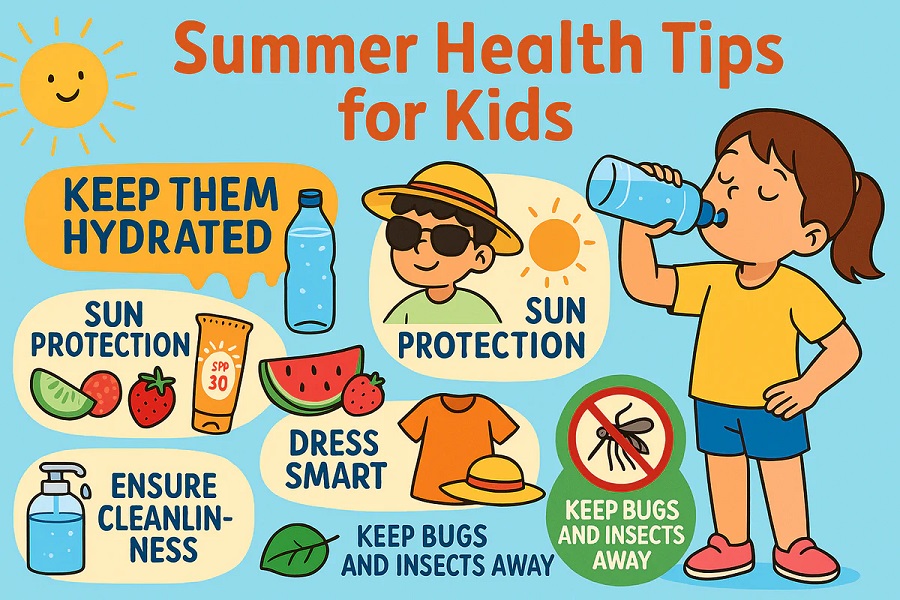
As summer approaches, kids are eager to enjoy outdoor activities like swimming, playing at the park, or having family picnics. While these activities bring excitement, they also present potential risks, such as sunburns and drowning hazards. It’s essential for parents and caregivers to be vigilant and take safety precautions. This article will cover essential summer safety tips for kids, including tips on sun protection, staying hydrated, water safety, and preventing heat-related illnesses. By staying proactive and prepared, you can ensure your children have a safe and enjoyable summer. Let’s dive into practical tips to keep your little ones protected during the warm months ahead. By being proactive and prepared, you can ensure your children have a fun and safe summer. So, let’s dive into some practical safety tips to keep your little ones safe during these warmer months.
What are some summer safety tips for kids?
Summer safety for kids includes applying sunscreen regularly, staying hydrated, supervising swimming activities, and ensuring kids wear proper protective gear for activities like biking. Always watch out for heat exhaustion, and avoid peak sun hours. Keep kids in the shade when possible and use insect repellent to prevent bites.
Essential Guidelines for Keeping Kids Safe During Summer Activities
Summer is a time for outdoor adventures, but it also brings potential hazards that parents need to watch out for. Here are a few important safety guidelines to keep children protected while they enjoy the sunny season.
Sun Protection
One of the major risks during summer is sunburn. Apply sunscreen with at least SPF 30 and reapply every couple of hours, particularly after swimming. Encourage your child to wear hats, sunglasses, and loose-fitting clothes to shield their skin. Limit outdoor exposure during peak sun hours, typically from 10 AM to 4 PM.
Hydration
As temperatures rise, staying hydrated is essential. Always ensure your child drinks plenty of water, especially during outdoor play. Avoid sugary beverages, as they can contribute to dehydration. Encourage regular water breaks to prevent heat-related issues.
Water Safety
Water activities, whether at the beach or in the pool, require close supervision. Make sure your child wears a life jacket if they are not strong swimmers. Never leave them unsupervised near water, and teach them basic water safety rules, such as no running by the pool.
How to Keep Kids Safe in Hot Weather
Hot weather can be risky for kids, but with proper precautions, you can ensure they stay safe and cool.
What is Heat Exhaustion and How Can You Prevent It?
Heat exhaustion occurs when a child is exposed to excessive heat, particularly during physical activities. Common signs include dizziness, excessive sweating, nausea, and fatigue.
Preventing Heat Exhaustion:
- Keep kids in shaded or air-conditioned areas whenever possible.
- Dress them in light, breathable clothing to help their bodies stay cool.
- Ensure they drink plenty of water throughout the day, especially after outdoor play.
Tips for Preventing Heatstroke:
Heatstroke can occur when the body overheats and loses its ability to cool down. To prevent it:
- Avoid strenuous activities during the hottest part of the day (usually between 10 AM and 4 PM).
- Schedule rest breaks in cooler areas, such as indoors or under shade.
- Always monitor for signs of overheating and ensure children stay hydrated.
Why Sunscreen is Essential for Summer Fun
Summer is the perfect time for outdoor activities, but prolonged sun exposure can cause skin damage that leads to sunburn and increases the risk of skin cancer. Using sunscreen is a vital step in protecting your child’s skin from harmful UV rays. It’s essential to choose a broad-spectrum sunscreen that protects against both UVA and UVB rays, ensuring full skin coverage.
To effectively protect your child, apply sunscreen generously on all exposed skin before heading outdoors, and reapply it every two hours, or more frequently if your child is swimming or sweating. For water activities, always use water-resistant sunscreen, as it stays on the skin longer and provides continued protection in the water. It’s also helpful to dress your child in protective clothing, hats, and sunglasses to further shield them from the sun’s harmful effects. By following these sunscreen guidelines, you can minimize the risks of sunburn and long-term skin damage, allowing your child to enjoy summer activities safely.
Water Safety Tips for Kids
Water activities are a highlight of summer, but they also come with significant risks. Keeping your children safe around water requires vigilance and preparation. Here are essential water safety tips to follow:
- Teach Basic Swimming Skills: Ensure your child learns how to swim at an early age. Swimming lessons help build confidence and are vital for safety.
- Use Floatation Devices: For younger children or those who aren’t confident swimmers, always use age-appropriate life jackets or floatation devices when near water.
- Supervise at All Times: Never leave your child unattended around water, whether it’s a pool, beach, or lake. Even if your child knows how to swim, accidents can happen quickly.
- Teach Pool Safety Rules: Make sure your child understands important pool rules, such as no running by the pool, not diving into shallow water, and staying away from pool drains.
- Know the Water Conditions: At the beach, be aware of currents, tides, and waves. Always supervise children closely and educate them about the dangers of strong water currents.
By following these tips, you can ensure a safer water experience for your child.
Bug Bite and Sting Prevention
Insects are a common nuisance during the summer months, and their bites and stings can lead to discomfort or even allergic reactions. To minimize the risk of bug bites, use insect repellents containing DEET or other child-safe ingredients. Additionally, dress your child in long sleeves and pants when outdoors in areas prone to mosquitoes and other bugs. This helps create a barrier between your child’s skin and potential insect invaders.
If your child does get stung by a bee or bitten by an insect, it’s important to act quickly. For bee stings, remove the stinger immediately using a pair of tweezers to prevent further venom release. Apply a cold compress or ice to the affected area to reduce swelling and pain. Keeping these prevention and treatment strategies in mind will help you manage bug-related issues, allowing your child to enjoy outdoor fun without unnecessary discomfort.
Conclusion
By following these summer safety tips for kids, you can help ensure your children stay safe and enjoy all the fun summer activities. Whether it’s protecting them from the sun, keeping them hydrated, or ensuring their safety around water, taking preventive steps can make a huge impact. These simple yet essential tips will not only safeguard your children but also allow them to create lasting memories throughout the summer. By staying vigilant and prepared, you’ll be able to enjoy a safe and fun-filled season with your little ones.
FAQs
How can I protect my child from sunburn?
Apply sunscreen with an SPF of 30 or higher every two hours. Encourage your child to wear protective clothing and avoid sun exposure during peak hours, between 10 AM and 4 PM.
What should I do if my child shows signs of heat exhaustion?
If your child shows signs of heat exhaustion, get them to a cooler area, offer fluids, and have them rest. If symptoms persist, seek medical attention immediately.
Are life vests necessary for children near water?
Yes, life vests are essential for children who are not strong swimmers. Always supervise them and ensure they wear appropriate safety gear near pools, lakes, or the beach.
How can I prevent bug bites and stings?
Use insect repellent, dress your child in long sleeves and pants, and avoid areas with high insect activity during peak times like dusk and dawn.
How can I keep my kids hydrated during the summer?
Make sure your child drinks water throughout the day, especially during outdoor activities. Avoid sugary drinks, and encourage hydration breaks regularly, especially when it’s hot outside.
