


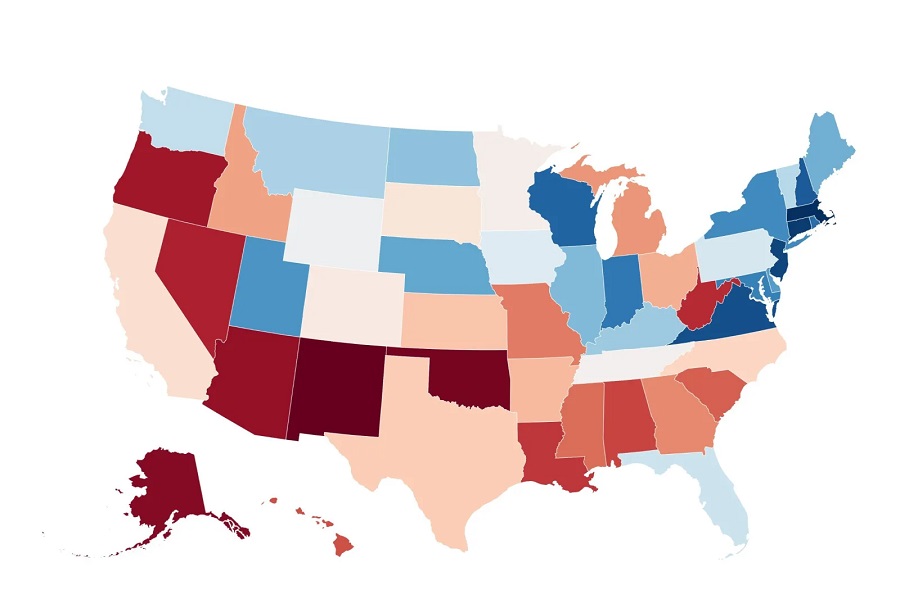
The quality of K-12 education is essential for shaping the future of students and, by extension, society. While some states provide high-quality education with robust support systems, others face severe challenges that affect student outcomes. In this article, we will identify the top 10 worst states for education K-12, breaking down the critical factors that contribute to their low rankings. From inadequate funding and overcrowded classrooms to socio-economic issues like poverty, these states struggle to provide students with the education they deserve.
Challenges such as limited access to resources, poorly compensated educators, and a lack of proper infrastructure often hinder educational improvement. These factors combine to create an environment where students are not fully equipped for academic success. Understanding these obstacles is essential for crafting solutions that address the gaps in educational quality, so we can begin to close them.
Key Factors Behind Low Education Rankings in K-12
This section will highlight the primary reasons for poor education rankings in certain states. The discussion will focus on the significant impact of underfunding, which leads to overcrowded classrooms, outdated resources, and insufficient support for teachers. We will also address the issue of high teacher turnover, which exacerbates the problem by reducing educational consistency. Furthermore, socio-economic factors such as poverty, limited access to quality healthcare, and high unemployment rates play a major role in the education system’s struggles. These challenges hinder student performance and increase dropout rates. By identifying these key factors, we can better understand the root causes of the education crisis in these states and explore targeted solutions to improve educational outcomes. Addressing these issues is essential for creating a more equitable and effective education system for all students.
The Struggle of Underfunded Schools in Low-Ranking States
Underfunded schools in low-ranking states face significant challenges, including overcrowded classrooms, outdated resources, and limited support for students.
Why is Underfunding a Major Issue?
Underfunded schools face numerous challenges, such as overcrowded classrooms and outdated educational materials. These deficiencies significantly hinder students’ ability to succeed academically. The lack of access to essential services like counseling, extracurricular activities, and modern technology further deepens the gap in educational quality.
How Does Underfunding Impact Teachers and Students?
Teachers in these schools often deal with large class sizes and limited resources, which makes it harder to provide personalized attention to students. This strain results in decreased teacher satisfaction, higher turnover rates, and poorer student outcomes. Students are left without the support they need to thrive academically, perpetuating the cycle of underachievement.
What Can Be Done to Address Funding Gaps?
To close funding gaps, states must focus on equitable distribution of resources and increased funding. Solutions could include reallocation of existing funds, enhancing teacher salaries, and prioritizing investment in areas that directly impact student success, like technology and support services. These efforts would help ensure all students have access to quality education.
State-by-State Breakdown of the Top 10 Worst States for Education
In this section, we will take a closer look at the top 10 worst states for education K-12, examining factors like graduation rates, test scores, and school resources. We’ll also analyze how state policies contribute to the challenges these states face in providing quality education.
- Mississippi: Persistent poverty and limited educational resources result in low academic achievement, with schools struggling to provide adequate support.
- Louisiana: High dropout rates and underfunded schools leave students with fewer opportunities, leading to lower academic success and engagement.
- New Mexico: Outdated facilities and limited access to education in rural areas create significant barriers to academic achievement, hindering student growth.
- Alabama: High poverty levels create educational disparities, impacting both the availability of resources and student performance.
- West Virginia: Poor infrastructure and inadequate funding contribute to a lack of educational opportunities, leading to subpar academic outcomes for students.
Each state’s unique challenges must be addressed through targeted policy changes to improve the overall educational experience and outcomes for students.
The Impact of Teacher Quality in Struggling States
Teacher quality is a crucial factor in student success, but in many struggling states, teacher quality is often compromised due to low salaries, teacher shortages, and inadequate professional development opportunities. These challenges lead to high turnover rates and a lack of consistent, experienced educators in classrooms, which negatively impacts the learning environment.
Improving teacher quality can significantly elevate educational outcomes. By offering better salaries, enhancing teacher training, and creating a more supportive work environment, states can increase teacher retention and effectiveness. Additionally, addressing these issues can help attract qualified educators to underserved areas, ensuring that all students have access to skilled, motivated teachers. This, in turn, will contribute to improving academic achievement and long-term success for students in struggling states.
How Poverty and Socio-Economic Factors Affect Education
Poverty and socio-economic challenges create significant barriers to education, affecting student performance and access to resources, ultimately hindering success.
- Why Does Poverty Matter in Education:
Poverty plays a significant role in student performance. Children from low-income families often face challenges such as a lack of academic support at home, food insecurity, and unstable living conditions, which can negatively impact their ability to focus and succeed in school. These factors contribute to lower test scores, higher absenteeism, and increased dropout rates. Addressing these challenges requires targeted interventions to provide support both inside and outside the classroom. - The Role of Parental Involvement:
Parental involvement is critical to a child’s educational success, but in poverty-stricken areas, parents may face barriers such as long working hours, lack of education, or limited resources to actively engage in their child’s learning. This can lead to disengagement and a lack of academic support at home. Community-based programs that promote parent involvement and offer resources for families can help bridge these gaps, providing the support children need to excel in their education and ultimately improve long-term outcomes.
Conclusion
The top 10 worst states for education K-12 are facing a variety of systemic issues that contribute to their low rankings. From chronic underfunding and teacher shortages to poverty-related challenges, these states are struggling to provide the quality education that all students deserve. Solutions such as increased funding, targeted teacher training, and support for families are crucial to improving education outcomes. By addressing these root causes, there is hope that the educational landscape in these states can be transformed for the better.
FAQs
What are the worst states for K-12 education?
States like Mississippi, Louisiana, and New Mexico consistently rank as the worst for education due to factors such as underfunding, poverty, and teacher shortages.
What impact does poverty have on education?
Poverty leads to a lack of resources, lower academic engagement, and increased dropout rates. It affects both the student’s home environment and their access to quality schooling.
How does underfunding affect schools in low-ranking states?
Underfunded schools lack the necessary resources to provide quality education, leading to overcrowded classrooms, outdated textbooks, and poorly compensated teachers.
Can education in these states improve?
Yes, with increased funding, better teacher support, and changes in state policies, these states can make significant progress in improving educational outcomes.
What solutions are there for addressing teacher shortages in struggling states?
Solutions include increasing teacher salaries, offering retention bonuses, and providing professional development opportunities to improve teacher quality and job satisfaction.
