


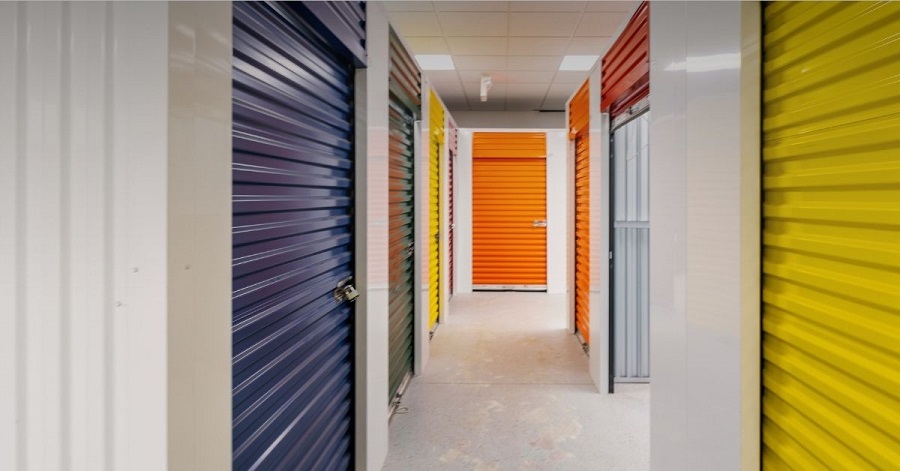
Choosing storage in a place like Naperville is not only about finding extra space. It is about protecting what you plan to store. From humid summers to freezing winters, local weather swings can quietly damage items when they sit in a unit that gets too hot, too cold, or too damp. That is why climate controlled storage naperville searches keep rising, especially among families, renters, business owners, and anyone in the middle of a move.
A climate-controlled unit helps keep temperature and humidity within a safer range, so your belongings face fewer risks like warping, cracking, rust, peeling, fading, and musty odors. It is a smart option for items that cost a lot to replace or hold sentimental value, including wooden furniture, electronics, paper files, artwork, and seasonal wardrobes. Beyond protection, many indoor facilities also offer cleaner hallways, stronger security, and more comfortable access when you need to load or unload.
Why does climate control matter so much in Naperville storage?
Naperville sees wide seasonal shifts that can stress your belongings over time. Heat can soften adhesives, dry out wood, and increase odors in fabrics. Cold can make plastics brittle and cause certain materials to crack. When temperatures swing back and forth, items expand and contract, which is exactly how warping and splitting start.
Humidity is the quiet troublemaker many people forget. Moist air can cause paper to ripple, photos to stick together, and metal to develop surface rust. Even when you do not see water, a damp environment can encourage mold and mildew that spreads across boxes, clothing, and upholstery. Once that smell settles in, removing it becomes difficult and time-consuming.
That is why climate controlled storage is often the safer choice for valuables and sensitive items. A more stable environment reduces the chance of damage that shows up months later when you finally open a box. It is not only about comfort while you visit the unit, it is about protecting the condition of what you store while you are away.
When should you rent a climate-controlled unit in Naperville?
When you plan to store items for more than 30 to 60 days
Short storage can be forgiving. Long storage exposes items to repeated temperature and humidity cycles. The longer your belongings sit, the more likely slow damage becomes noticeable.
When you store paper, photos, or business records
Paper absorbs moisture easily. Documents can wrinkle, yellow, or develop a musty smell. If you need files to stay readable and professional, climate control becomes a practical requirement.
When you store wood, leather, or upholstered furniture
Wood can warp and split. Leather can dry out or develop mildew. Upholstery can trap odor. A stable environment helps furniture keep its shape, finish, and smell.
When you store electronics, media, or tools that can corrode
Electronics dislike moisture and extreme heat. Humidity can lead to corrosion in delicate components. Media like DVDs and vinyl can warp. Tools can rust. Indoor temperature and humidity control lowers those risks.
When you want fewer headaches during winter and summer access
Indoor access feels easier year-round, especially when you need to move items in extreme cold or summer heat.
How to Choose the Right Climate-Controlled Storage in Naperville
- Pick a unit size that supports safe stacking
Choose space that allows a narrow walkway and airflow. Overpacking can crush boxes and make retrieval frustrating. - Confirm real climate control, not just indoor units
Ask if the facility controls temperature only or temperature plus humidity. Humidity control helps prevent musty odors, paper damage, and rust. - Check security like you are protecting valuables at home
Look for gated access, bright lighting, cameras covering entry points, and controlled building access. Entry logs are a strong plus. - Inspect cleanliness and look for moisture warning signs
Walk the halls and trust your senses. Musty smells, stains, or damp corners can signal humidity problems or leaks. - Review access hours and move-in convenience
If you visit often, choose easy parking, wide hallways, carts, and elevators when needed. Limited access hours can become a hassle. - Compare the total value, not just the lowest price
Low rates may hide fees or short promos. Pay for stability, security, and reliability to protect your stored items.
What items benefit most from climate-controlled storage?
Some belongings handle temperature changes without issues, but others break down slowly until the damage becomes permanent. Climate control matters most for items made from materials that react to heat, cold, or moisture. Wood furniture and musical instruments can warp or crack when humidity shifts. Leather, clothing, and upholstered pieces can trap odors and develop mildew in damp air. Paper-based items like files, books, and photos can ripple, stick together, or yellow when moisture stays high.
Electronics and media also benefit from a stable environment. Humidity can cause corrosion on metal contacts and circuit boards, while heat may weaken adhesives inside devices and cold can make plastics brittle. Artwork, collectibles, and framed items may fade or develop surface issues when conditions swing. If you store rugged items like plastic bins, basic metal shelving, or outdoor gear, standard storage may work if you pack them well. A simple rule helps: if an item hates moisture, temperature swings, or smells, choose climate control.
Why do security and access features matter more than people expect?
- Access control reduces random traffic
A gated entry and secure building access help limit who can enter the property. Less traffic often means fewer incidents and a calmer environment. - Lighting and cameras protect you as well as your items
Good lighting makes evening visits safer and discourages suspicious behavior. Cameras that cover entrances and hallways add accountability and improve response when problems happen. - Cleanliness signals management quality
A clean facility often indicates regular inspections, pest control, and quick repairs. Those habits protect your items long-term, not just the building’s appearance. - Convenient loading prevents damage during move-in and move-out
Wide hallways, carts, elevators, and nearby parking reduce drops, scrapes, and rushed packing. Convenience is a protection feature because it lowers handling mistakes. - Flexible access hours fit real life
If access is too limited, you will rush visits. Rushing leads to poor stacking, broken boxes, and misplaced items. Good access supports careful organization.
Conclusion
Choosing storage is easier when you focus on protection, not only square footage. With climate controlled storage naperville, you get a steadier environment that helps prevent moisture damage, temperature stress, and the musty odors that ruin fabrics and paperwork. Match the unit to what you store, confirm real climate control, and prioritize security and clean access. When you pack correctly and keep a simple inventory, you save time and reduce risk every time you visit. If your goal is safe, indoor, temperature-managed storage that keeps valuables in strong condition, climate control is often the smartest move.
FAQs
Is indoor storage the same as temperature and humidity control?
Not always. Some indoor units sit inside a building but do not actively manage humidity, and temperature ranges may still swing. Ask whether the facility controls temperature only or also targets humidity stability.
What household items usually need extra protection in storage?
Photos, documents, books, electronics, wood furniture, leather goods, musical instruments, and collectibles often benefit from steadier conditions. These materials react to moisture and temperature swings over time.
How do I choose the right unit size without overpaying?
List your largest items first, then estimate how many standard boxes you will use. If you want easy access, pick a unit that allows a small walkway and safe stacking, not wall-to-wall piles.
What should I look for during a storage facility tour?
Check smell, cleanliness, lighting, and how secure the entry feels. Look for signs of moisture, ask about pest control, and confirm camera coverage. Management quality shows up in small details.
How can I prevent odors and mildew on stored clothing?
Store clean, fully dry clothing in breathable bins or garment boxes. Avoid trapping moisture with tight plastic on fabrics. Use moisture absorbers if allowed, and keep items off the floor.
