


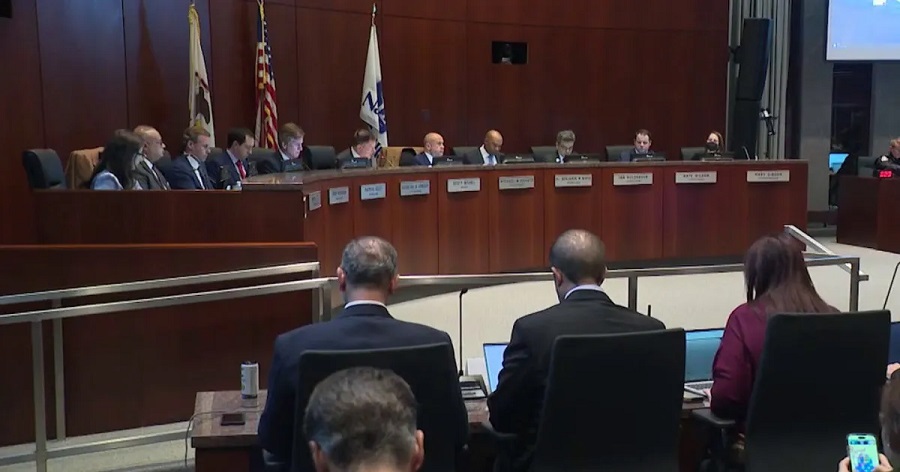
In a highly contentious meeting, the Naperville City Council voted overwhelmingly against a proposed data center to be developed along the I-88 corridor. The vote, which ended with a 6-1 decision and two abstentions, rejected both the original plan for two data centers and a scaled-back version proposing a single facility. The decision followed months of public hearings and debate over the project’s potential impact on the local community and environment.
The data center, proposed by Karis Critical, was expected to span over 130,000 square feet and consume substantial resources, including water and energy. However, opposition to the plan, particularly from local residents, focused on concerns about the facility’s proximity to residential areas, its environmental impact, and potential public health risks associated with diesel emissions from backup generators.
Residents, many of whom lived near the proposed site, expressed strong objections during the public comments portion of the meeting. One resident, Rich Janor, a father of three, raised an alarm about the potential dangers posed by the data center’s emissions, noting the facility’s close proximity to where children play and live. “I don’t want my kids growing up near a facility that would be emitting diesel exhaust,” Janor said, emphasizing that his concern was not about the technology itself, but about its location near homes.
Other residents voiced similar concerns, believing the data center could significantly increase utility bills, especially given its heavy reliance on water for cooling. “We don’t want a data center anywhere in Naperville, or Illinois, especially not near our trees, water, and homes,” one concerned resident commented.
Karis Critical, the company behind the proposal, defended the project, offering reassurances about the facility’s environmental footprint. Greg Strom, an executive from Karis, stated that the new center would use less water than the office building previously located on the site and assured that any increases in energy costs would be fully covered by the company. “If Naperville’s energy costs increase, we will absorb the difference,” Strom said, attempting to ease concerns about the facility’s economic impact.
Despite these assurances, the public opposition was strong, with many residents worried about the long-term consequences of hosting such a facility in a residential area. Council members, including Mary Gibson, argued that the facility could create barriers to the public’s ability to use Naperville’s technology corridor effectively and expressed reservations about the city’s ability to maintain control over the environmental impact.
The decision to vote down the proposal has left many residents relieved but also raised questions about the future of Naperville’s development and job opportunities. Frank Gravina, secretary and treasurer of the DuPage County Building Trades, criticized the council’s decision, calling it a missed opportunity for economic growth and job creation in Naperville. He argued that the data center would have created significant employment opportunities in the area, particularly in construction and technology.
The proposal’s defeat also has broader implications for nearby communities, with some suburbs, such as Aurora, taking a proactive approach by imposing temporary moratoriums on new data center construction. Aurora has four data centers already in operation, with several more under development, sparking conversations about the long-term environmental and economic impacts of such facilities.
In the aftermath of the vote, Karis Critical expressed disappointment, noting that the city council had rejected the City Plan Commission’s recommendation to move forward with the project. The company released a statement saying they had invested substantial resources into creating a cutting-edge data facility that would have helped revitalize the area.
Moving forward, Naperville officials have indicated they will continue exploring development opportunities that balance the needs of local residents with the city’s economic goals. The council is expected to revisit the discussion in the coming months, though it remains to be seen whether any future proposals for similar developments will be met with the same resistance.
