


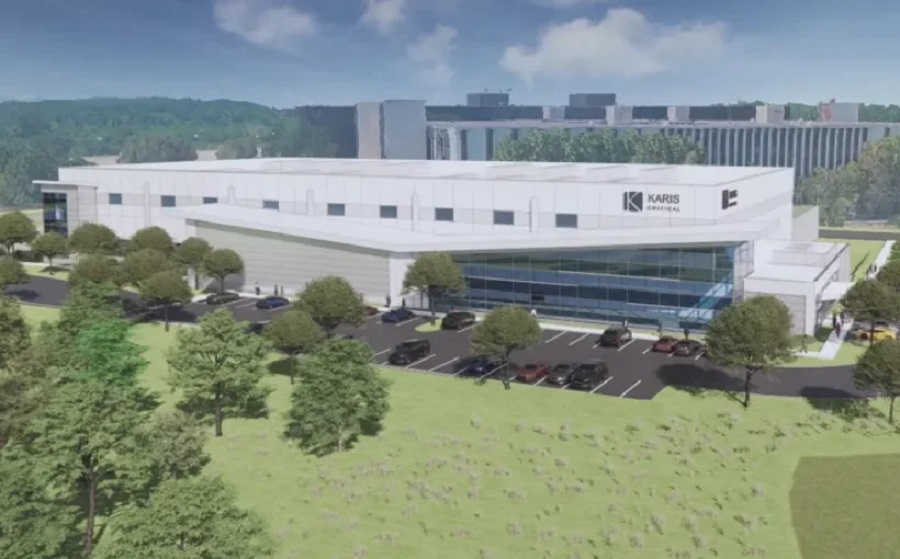
The Naperville City Council has voted to reject a controversial proposal to build a large data center, marking the end of months of intense public debate over the development. The council’s late-night decision, made on Tuesday, February 23, resulted in a 6-1 vote, with two members abstaining.
The proposal, presented by the developer Karis Critical, called for the construction of a 145,000-square-foot data center located along the Interstate 88 corridor near Naperville and Warrenville Roads, on the site of the former Lucent Technologies campus. The facility was expected to serve as a significant hub for digital infrastructure, but its reliance on diesel-powered generators became a point of contention for many residents.
Despite the developer’s efforts to address public concerns by proposing to cut the number of diesel generators from 24 to 12, opposition remained strong. Dozens of local residents voiced their objections during the public hearing, citing environmental and health concerns over the emissions from the generators, which would be used only during power outages and monthly tests, according to Karis Critical.
Karis Critical, the developer behind the project, expressed disappointment following the decision. In a statement released after the vote, the company emphasized its commitment to investing hundreds of millions of dollars into creating a state-of-the-art facility at a prime location in Naperville’s technology and jobs corridor. The statement also highlighted the support from local unions and community partners who had backed the project, stressing that the site had long been a cornerstone of the city’s tech industry.
The proposal’s defeat marks a setback for those who viewed the data center as a catalyst for job creation and economic development in Naperville. The DuPage County Building Trades organization, which represents construction workers, issued a statement condemning the vote, arguing that the rejection would deprive the community of high-paying, skilled jobs. “Jobs are dignity, careers are stability, and a strong jobs corridor in Naperville is the foundation for both,” the statement read. “Unfortunately, personal agendas took precedence over the broader good, and the community lost an opportunity for growth and stability.”
While the council’s decision has sparked mixed reactions, supporters of the data center argued that it would have revitalized a long-vacant property and brought high-tech jobs to the region, contributing to the city’s economic vitality. On the other hand, opponents believed that the environmental costs outweighed the potential benefits, and felt that further studies were needed to evaluate the true impact of the proposed facility.
With the city council’s decision now final, the future of the proposed data center remains uncertain. Karis Critical’s representatives have stated that they are weighing their options moving forward, but no additional plans for the site have been revealed.
The controversy over the data center proposal highlights the ongoing balancing act cities face when considering development projects that could both stimulate economic growth and impact the environment and community. Naperville residents and officials alike are now left to reflect on the implications of the vote and its potential long-term effects on the city’s growth and infrastructure.
